

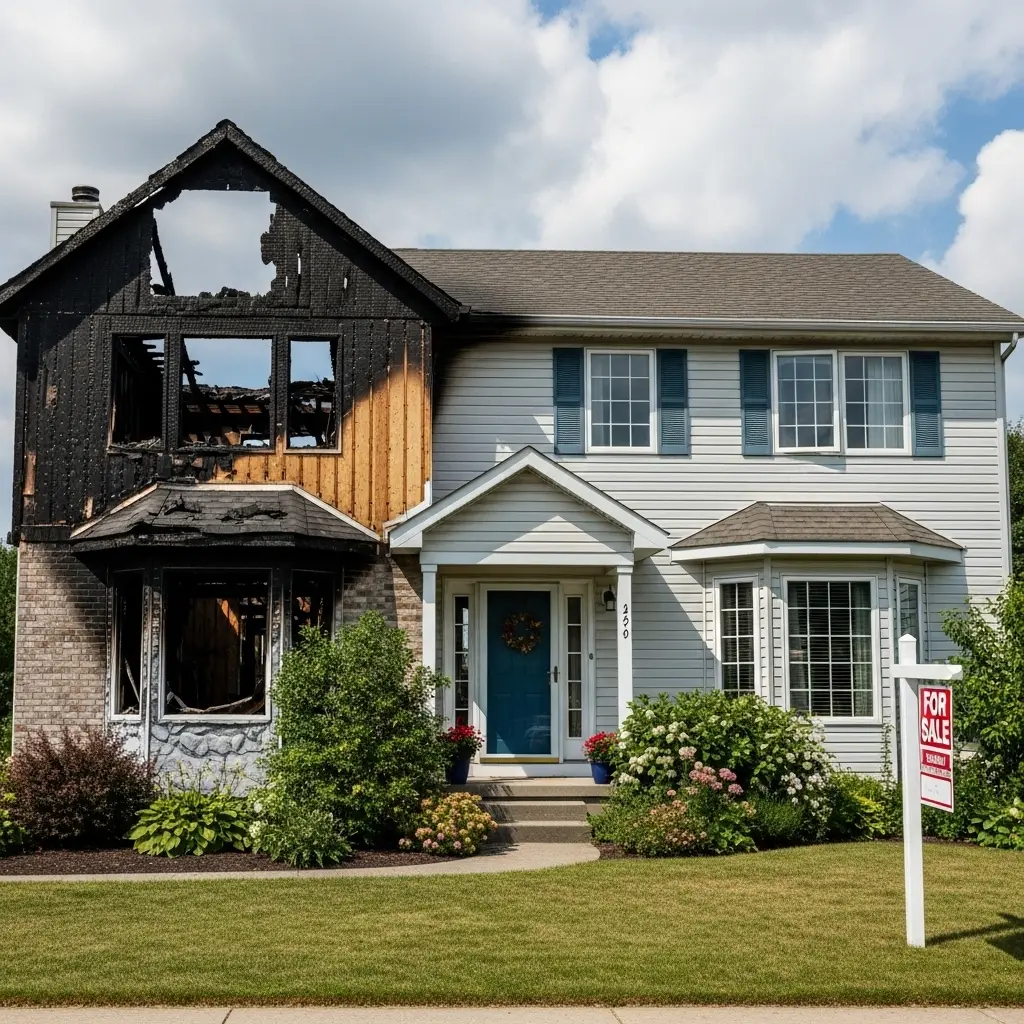
A house fire can change everything in minutes. Beyond the emotional shock, many homeowners are left facing an even harder question: what do I do with a fire-damaged house? Selling a House With Fire Damage isn’t something most people plan for, yet it becomes a real problem when repairs are expensive, insurance is slow, and bills keep coming. This topic matters because the wrong decision can cost you months of stress and tens of thousands of dollars.
In this article, you’ll learn what selling a fire-damaged house really means, how the process works, and how homeowners like you successfully sell without repairs or delays.
What Does It Mean to Sell a House With Fire Damage?
Selling a house with fire damage means transferring ownership of a property that has been affected by fire, smoke, soot, or water damage often without completing full repairs.
What “Selling As-Is” Really Means After a Fire
It means selling your home in its current condition, even if it has structural damage, smoke odors, or unresolved insurance claims related to the fire.
Why This Matters for Homeowners:
Most traditional buyers can’t or won’t buy fire-damaged homes. Banks often refuse financing, and buyers fear unknown repair costs. Understanding this option helps you avoid sinking money into repairs that may never pay off and shows you faster, safer alternatives.
How Selling a House With Fire Damage Actually Works
The process depends largely on who you sell to, but for many homeowners, direct home buyers are the most realistic option.
How Cash Home Buyers Evaluate Fire-Damaged Properties
Professional home buyers look at:
- The level of fire, smoke, and water damage
- Repair costs (which can range from $15,000 for minor smoke damage to $100,000+ for structural fires, based on restoration industry data)
- Location and underlying land value
They then make a cash offer based on real numbers—not emotions or guesswork.
What Makes This Process Different From a Traditional Sale
- No repairs required – Buyers handle cleanup and rebuilding
- No financing risk – Cash deals don’t fall apart due to inspections
- Flexible timelines – Close in days or weeks, not months
Real-Life Examples of Selling a House With Fire Damage
Smoke Damage From a Small Kitchen Fire: A Calgary homeowner experienced a kitchen fire that caused smoke damage throughout the house. Repair estimates came in at $42,000. Instead of rebuilding, they sold the property as-is and closed in just 10 days avoiding contractor delays and upfront costs.
Fire-Damaged Rental Property: An Edmonton landlord dealt with a tenant-caused fire. Insurance covered part of the damage, but vacancy losses and ongoing expenses kept adding up. Selling the fire-damaged rental allowed the owner to cash out and reinvest elsewhere.
Severe Structural Fire Damage: In Fort McMurray, a garage fire spread into the main structure. The home was no longer mortgage-eligible. A direct buyer purchased the property based on land value and rebuild potential something a traditional listing couldn’t accomplish.
Benefits and Limitations of Selling a Fire-Damaged House

Key Advantages of Selling As-Is
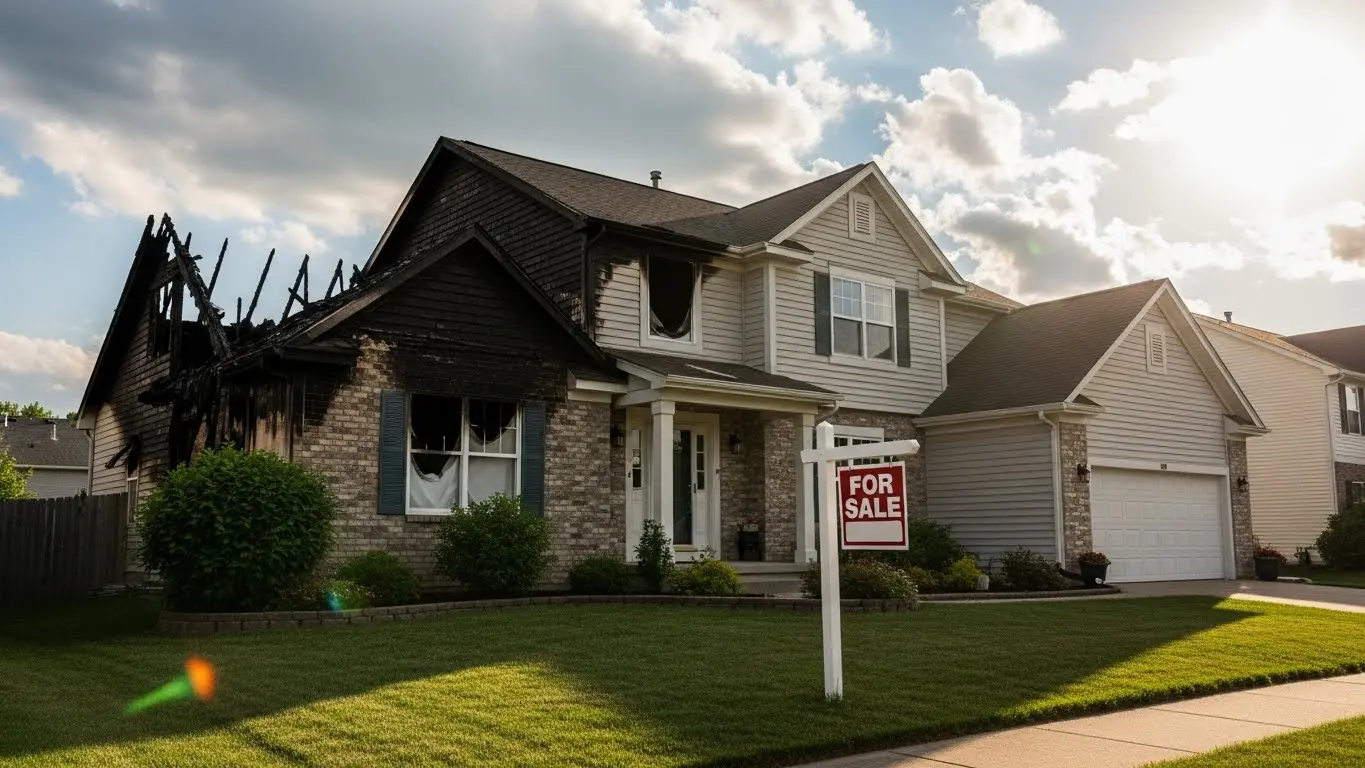
- Sell the property as-is with no cleanup
- No realtor commissions or staging costs
- Faster access to cash (often within 7–14 days)
- No risk of buyer financing falling through
Potential Drawbacks to Be Aware Of
- Sale price is lower than a fully repaired home
- Emotional difficulty letting go of the property
- Choosing the right buyer is critical
How to Get Started Selling a Fire-Damaged House
If you’re considering this route, follow these practical steps to avoid delays and mistakes.
Step-by-Step Checklist for Selling Without Repairs
- Document the damage (photos and fire reports)
- Review your insurance status (claim filed or pending)
- Get a repair estimate for reference only
- Contact a local cash home buyer
- Compare offers and closing timelines
- Choose a closing date that fits your situation
You don’t need to wait for repairs—or even for insurance to finish before selling.
Final Thoughts on Selling a House With Fire Damage
Selling a fire-damaged house is possible, practical, and often the smartest move.
From experience working with distressed homeowners, the biggest regret is usually waiting too long or investing heavily in repairs that never fully return their cost. A direct sale removes uncertainty and gives you control again.
If you’re looking for a straightforward solution similar to how Alberta cash for homes services help homeowners move on quickly, selling your house with fire damage as-is can be the cleanest path forward financially and emotionally.