

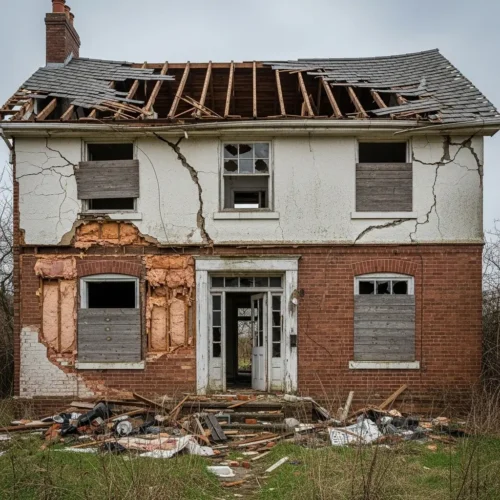
Structural damage is one of the most serious issues a homeowner can face. Cracked foundations, shifting walls, sagging floors, or framing problems don’t just affect appearance—they raise safety concerns and scare off buyers. Selling a Home With Structural Damage becomes a real challenge when repair costs are high, inspections fail, and traditional buyers back out. This topic matters because the wrong approach can trap you in a home you can’t afford to fix or sell.
In this article, you’ll learn what it really means to sell a structurally damaged home, how the process works, and how homeowners sell without taking on massive repair projects.
What Does It Mean to Sell a Home With Structural Damage?
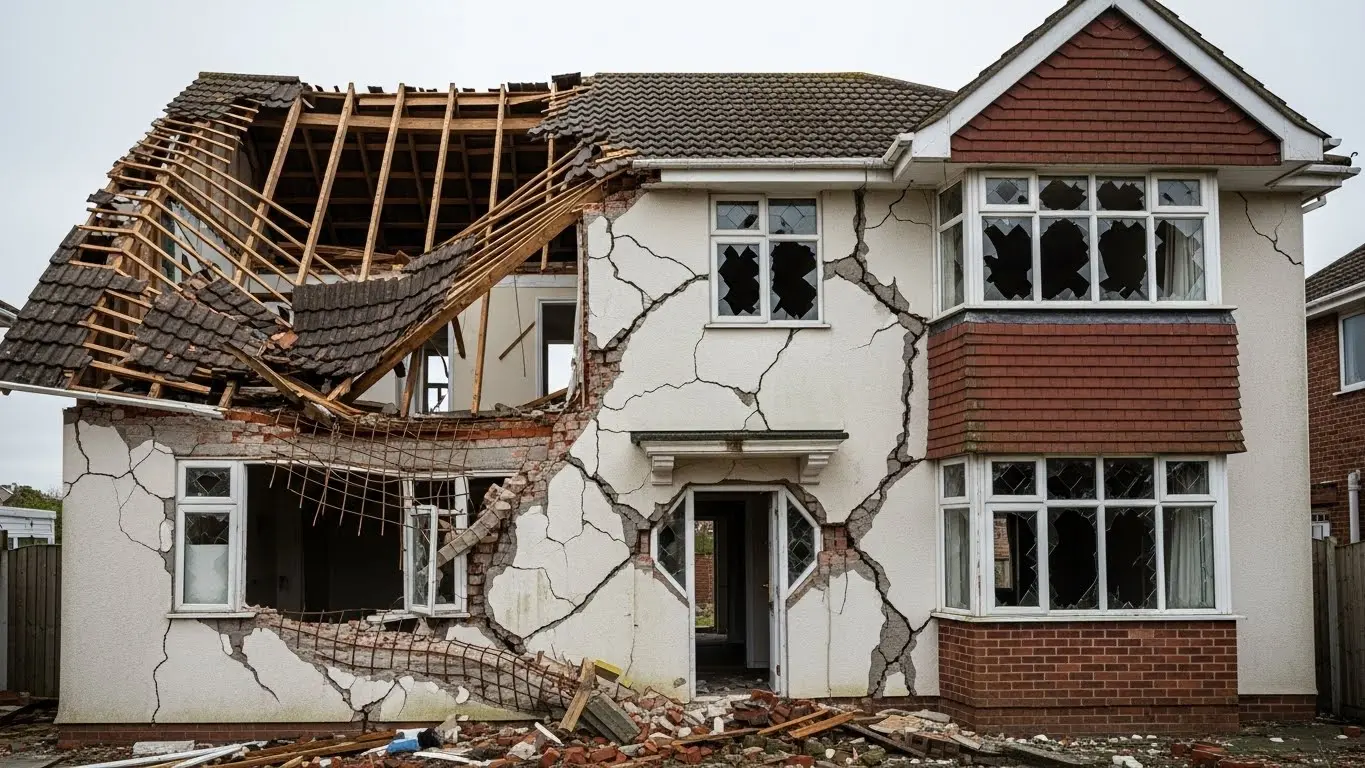
Selling a home with structural damage means selling a property with issues that affect its core stability, safety, or load-bearing elements.
What Counts as Structural Damage in a Home
Structural damage can include foundation cracks, bowing basement walls, uneven floors, roof framing issues, or damage caused by soil movement, water intrusion, or age.
Why This Is a Serious Issue for Sellers
According to foundation repair industry data, structural repairs often range from $20,000 to over $100,000 depending on severity. Many lenders won’t approve mortgages on homes with unresolved structural problems, which dramatically limits your buyer pool. Knowing your options helps you avoid costly repairs that may not increase your final sale price.
How Selling a Home With Structural Damage Actually Works
The selling process depends heavily on who you sell to and whether repairs are completed upfront.
How Cash Home Buyers Assess Structural Damage
Professional home buyers evaluate:
Type and severity of structural issues
Safety risks and accessibility
Repair scope and engineering requirements
Location, lot value, and resale potential
Based on this, they calculate a cash offer that reflects real repair costs and risk—not ideal conditions.
How This Differs From a Traditional Sale
No repairs required – Buyers take on the risk and repairs
No financing issues – Cash buyers don’t rely on lender approval
Faster closing timelines – Often 7–14 days
Real-Life Examples of Selling a Home With Structural Damage
Foundation Cracks in an Older Home
A Calgary homeowner discovered large foundation cracks during a pre-listing inspection. Repair estimates exceeded $65,000. Instead of fixing the foundation, they sold the home as-is and closed within two weeks.
Settlement Issues After Water Damage
An Edmonton property developed uneven floors after long-term water intrusion weakened the soil beneath the foundation. Traditional buyers walked away after inspections, but a cash buyer purchased the home based on land value and repair potential.
Structural Damage in a Rental Property
In Red Deer, a landlord faced framing and beam damage in a rental property caused by years of deferred maintenance. Selling the home as-is allowed the owner to exit without managing engineers, permits, or contractors.
Benefits and Limitations of Selling a Structurally Damaged Home
Key Advantages of Selling As-Is
No expensive structural repairs
No engineering reports required upfront
No realtor commissions or staging
Faster access to cash
Challenges and Limitations to Consider
Lower sale price than a fully repaired home
Smaller pool of potential buyers
Important to work with experienced buyers
How to Get Started Selling a Home With Structural Damage
If repairs aren’t realistic, these steps can help you move forward.
Step-by-Step Checklist for Selling Without Repairs
Document visible structural issues (photos, inspection notes if available)
Get a rough repair estimate for reference only
Avoid paying for engineering or permits unless required
Contact local cash home buyers experienced with structural damage
Review offers, timelines, and terms
Choose a closing date that fits your needs
You can sell even if the home is unsafe, unlivable, or fails inspection.
Final Thoughts on Selling a Home With Structural Damage
Selling a home with structural damage may feel intimidating, but it’s often the most practical option when repairs are costly or uncertain.
From experience working with distressed homeowners, the biggest mistake is starting repairs without understanding their true cost or resale impact. Selling as-is reduces financial risk and lets you move forward sooner.
If you’re looking for a solution similar to how Alberta cash for homes services help homeowners sell quickly, selling your structurally damaged home as-is may be the safest and most efficient path forward.