

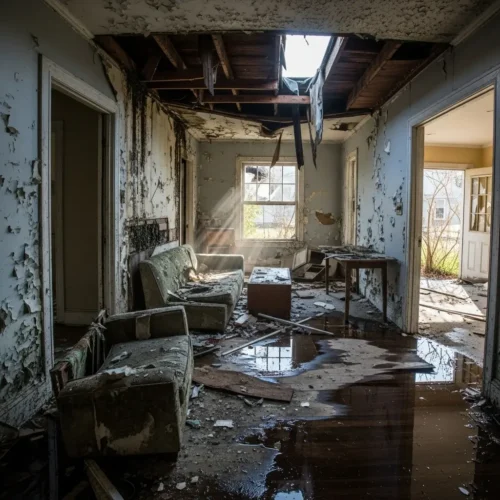
Water damage can quietly turn into one of the most expensive problems a homeowner faces. A burst pipe, flooded basement, roof leak, or sewer backup can leave lasting damage that’s not always visible at first. Selling a House With Water Damage becomes a real concern when repair estimates keep climbing, mold risks increase, and traditional buyers start backing away. This topic matters because the wrong decision can lock you into months of repairs and financial stress.
In this article, you’ll learn what it really means to sell a water-damaged house, how the process works, and how homeowners sell quickly without fixing everything first.
What Does It Mean to Sell a House With Water Damage?
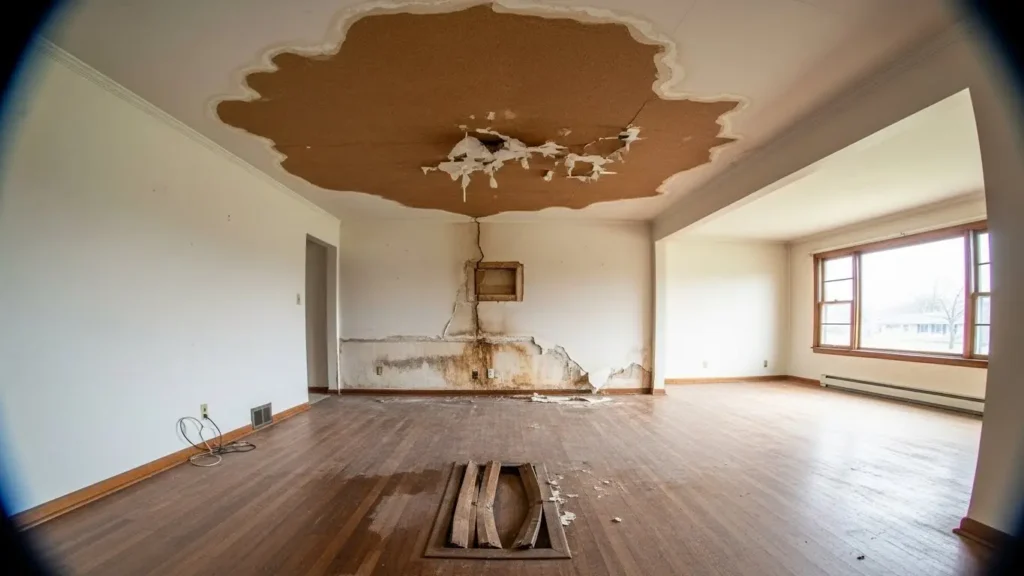
Selling a house with water damage means selling a property that has been affected by excess moisture, leaks, flooding, or standing water—often without completing full restoration.
What “As-Is” Selling Looks Like After Water Damage
It means selling your home in its current condition, even if there’s damage to drywall, flooring, foundations, or potential mold concerns that haven’t been fully repaired.
Why This Matters for Homeowners
Water damage scares off traditional buyers. Many lenders won’t finance homes with active moisture issues or mold risks. According to insurance industry data, average water damage claims in Canada often exceed $10,000, while severe flooding or mold remediation can reach $30,000–$50,000 or more. Knowing your options helps you avoid pouring money into repairs that may not increase your final sale price.
How Selling a House With Water Damage Actually Works
The process depends largely on who you sell to, but for many homeowners, direct cash home buyers offer the most practical solution.
How Cash Home Buyers Evaluate Water-Damaged Homes
Professional home buyers assess:
The source and extent of the water damage
Whether damage is cosmetic, structural, or mold-related
Estimated repair and remediation costs
Location, lot value, and resale potential
Based on these factors, they make a cash offer that reflects real repair costs not best-case scenarios.
What Makes This Different From a Traditional Sale
No repairs required – Buyers handle cleanup and restoration
No inspection-related delays – Cash offers reduce deal risk
Faster timelines – Closings often happen in 7–14 days
Real-Life Examples of Selling a House With Water Damage
Flooded Basement After Heavy Rain
A Calgary homeowner experienced repeated basement flooding due to poor drainage. Repair estimates, including waterproofing and mold prevention, came in at $28,000. Instead of fixing everything, they sold as-is and closed in under two weeks.
Burst Pipe in a Rental Property
An Edmonton landlord dealt with a winter pipe burst that damaged walls and flooring. Insurance covered part of the loss, but downtime and repairs kept adding up. Selling the water-damaged rental allowed the owner to exit without further expenses.
Long-Term Roof Leak
In Red Deer, a slow roof leak went unnoticed for months, leading to rot and mold in the attic. The home failed inspection for traditional buyers, but a cash buyer purchased it based on land value and renovation potential.
Benefits and Limitations of Selling a Water-Damaged House
Key Advantages of Selling As-Is
No repair or remediation costs
No realtor commissions or staging fees
Faster access to cash
No risk of buyers backing out after inspections
Challenges and Limitations to Consider
Lower sale price compared to a fully restored home
Emotional stress, especially if damage affects livability
Choosing a trustworthy buyer is essential
How to Get Started Selling a Water-Damaged House
If you’re considering selling without repairs, these steps can help you move forward confidently.
Step-by-Step Checklist for Selling Without Repairs
Identify and document visible water damage
Gather insurance records (if a claim was filed)
Get a repair estimate for reference only
Contact a local cash home buyer
Review offers and closing timelines
Select a closing date that fits your needs
You don’t need to complete repairs—or even resolve insurance claims before selling.
Final Thoughts on Selling a House With Water Damage
Selling a water-damaged house can be a smart and practical decision when repairs are costly or uncertain.
From experience working with distressed homeowners, the biggest mistake is often waiting too long and allowing damage or mold to worsen. Selling as-is removes uncertainty, limits financial exposure, and helps you move forward faster.
If you’re exploring options similar to how Alberta cash for homes services help homeowners sell quickly, selling your house with water damage as-is may be the simplest and most stress-free solution available.